
"35.15 million bags"
30000 article(s) found

Drought in Brazil-Global Coffee Futures prices soar by 53%
Friends who like coffee may have to care about the price of coffee! The severe drought in Brazil has triggered a global coffee shortage, and the price of the American coffee March futures contract has soared by about 53% so far this year.
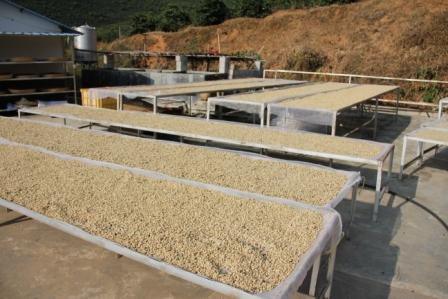
Costa Rican boutique coffee beans Costa Rica Tarazu Diamond Villa washing SHB Kaddura
Costa Rican coffee plants were imported from Cuba in 1779 and exported for the first time in 1820. There are now about 32000 coffee farmers, with an average of less than 10000 yuan per farmer. Costa Rica has a population of 410 million (2006), an active coffee planting area of 82500 square meters, an annual output of 1.7 million bags (60kgs per bag), and an annual consumption of 38 million bags in China.

Introduction to the origin of coffee beans in Uganda
The equator runs across Uganda, and the suitable climate makes it the main producing area of Robbins coffee beans (Robusta) in the world. In the 1960s, Ugandan coffee production remained at 3.5 million bags a year. By the mid-1980s, coffee production had dropped to 250 bags a year, mainly for political reasons. But now coffee production is on the rise again, currently about 3 million bags a year. Coffee

Boutique Coffee introduction of 53 Coffee producing areas in the World 4
twenty-three. Angola, once a big coffee producer, exported 3.5 million bags of coffee a year in the mid-1970s, 98 per cent of which was Roberts (probably the best in Africa), but total production fell to 200000 bags in 1990. The best brands in Angola used to be Ambriz and Amborm.

Costa Rica Tara Pearl Diamond Mountain Manor imported boutique coffee beans with balanced flavor
Costa Rican coffee plants were imported from Cuba in 1779 and exported for the first time in 1820. There are now about 32000 coffee farmers, with an average of less than 10000 yuan per farmer. Costa Rica has a population of 410 million (2006), an active coffee planting area of 82500 square meters, an annual output of 1.7 million bags (60kgs per bag), and an annual consumption of 38 million bags in China.
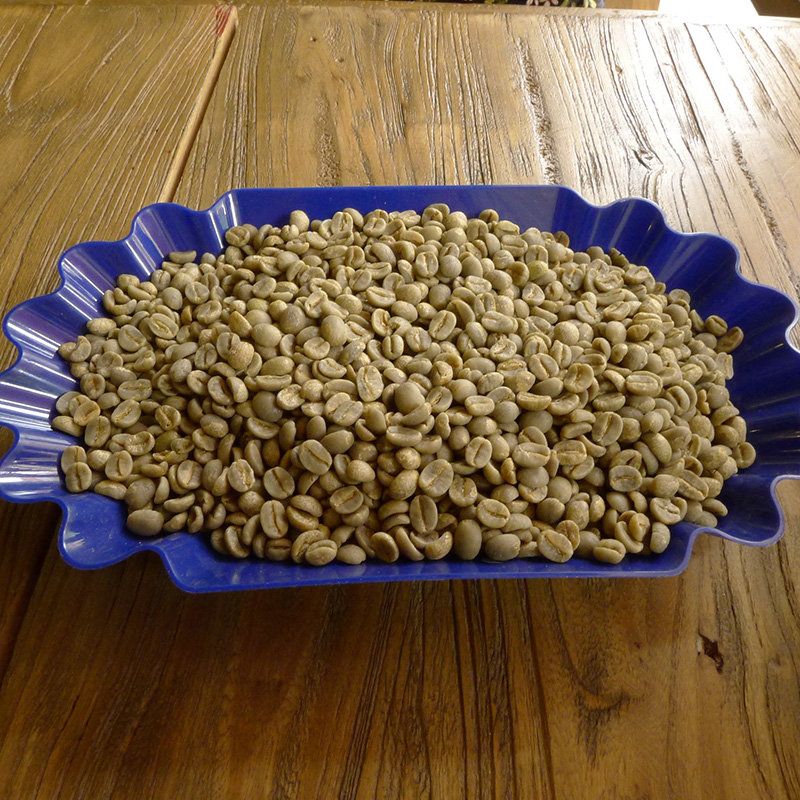
What are washed beans? Costa Rica Tara Pearl Diamond Villa washing SHB Kaddura seed beans
Costa Rican coffee plants were imported from Cuba in 1779 and exported for the first time in 1820. There are now about 32000 coffee farmers, with an average of less than 10000 yuan per farmer. Costa Rica has a population of 410 million (2006), an active coffee planting area of 82500 square meters, an annual output of 1.7 million bags (60kgs per bag), and an annual consumption of 38 million bags in China.

Introduction to the Western Ruwensori Mountain area of washed Robst Bean production area in Uganda
Uganda's coffee production ranks first in Africa, accounting for more than 70% of its total exports. Uganda is also the hometown and main producing area of Robes specialty coffee. In the 1960s, Ugandan coffee production remained at 3.5 million bags a year. By the mid-1980s, coffee production had dropped to 2.5 million bags a year, mainly for political reasons. But now coffee production is on the rise again, which is large at present.

Coffee beans Africa C ô te d'Ivoire
In terms of quantity, it is one of the largest producers in the world. C ô te d'Ivoire te dlvoire has never produced the best quality coffee, and it rarely comes from Arabian coffee trees. In the early 1980s, it was the world's third-largest coffee producer, with an annual output of 5 million bags. Even today, it is still the fifth largest coffee producer in the world, with an annual output of 4.4 million bags. That's it.

Boutique coffee beans knowledge coffee producing area C ô te d'Ivoire
One of the largest producers in the world. C ô te d'Ivoire te dlvoire has never produced the best quality coffee, and it rarely comes from Arabian coffee trees. In the early 1980s, it was the world's third-largest coffee producer, with an annual output of 5 million bags. Even today, it is still the fifth largest coffee producer in the world, with an annual output of 4.4 million bags. With regard to the production of Robbins special coffee

Ivorian coffee is one of the largest producers in the world.
In terms of quantity, it is one of the largest producers in the world. C ô te d'Ivoire te dlvoire has never produced the best quality coffee, and it rarely comes from Arabian coffee trees. In the early 1980s, it was the world's third-largest coffee producer, with an annual output of 5 million bags. Even today, it is still the fifth largest coffee producer in the world, with an annual output of 4.4 million bags. That's it.
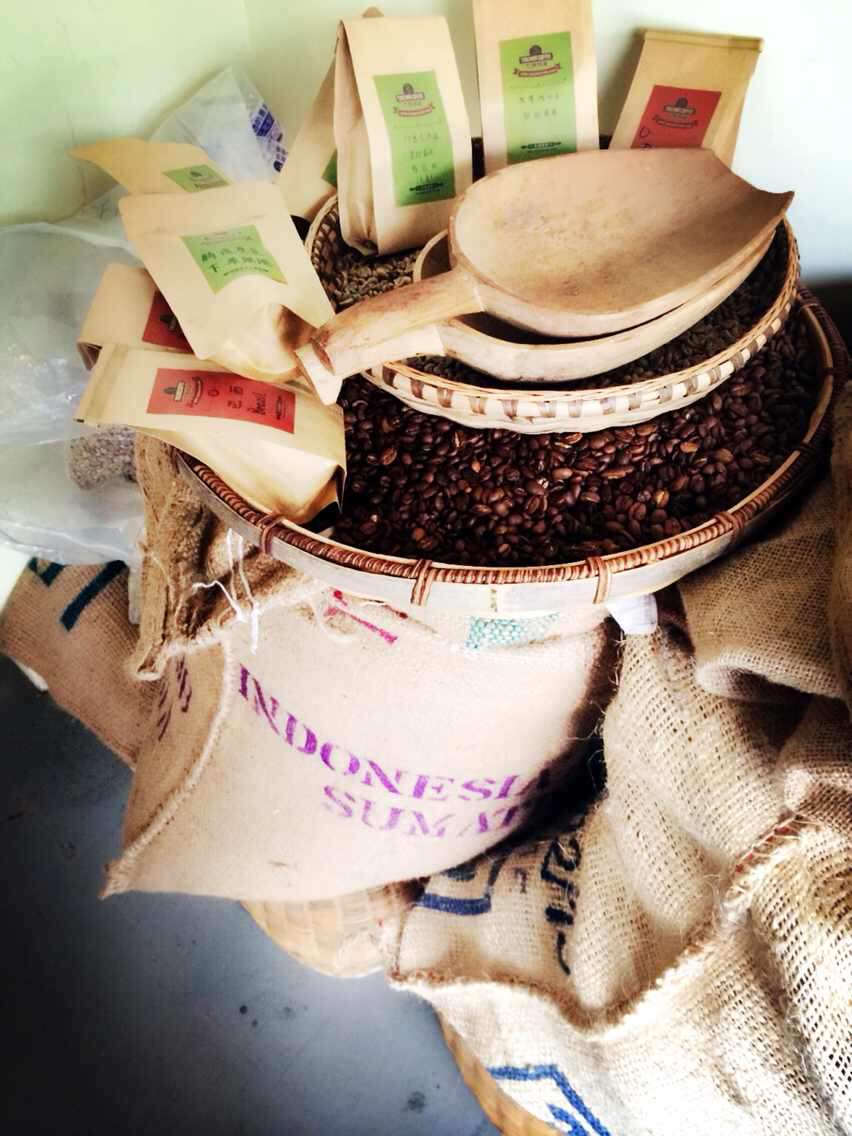
Brazilian Coffee Cooperative predicts that coffee production will fall by half in 2015
Sao Paulo, March 17 (Reporter Wang Zhengrun Xunwei) COCAPEC, the third largest coffee cooperative in Brazil, predicts that coffee production by its members will drop by half in 2015. COCAPEC said the decline in coffee was mainly due to severe drought and the superposition of coffee production in a small year. The output of coffee trees has a cycle every two years, with high yield in one year and low yield the next year. COCAPEC Coffee Cooperative

The world's boutique coffee is produced in C ô te d'Ivoire
One of the largest producers in the world. C ô te d'Ivoire te dlvoire has never produced the best quality coffee, and it rarely comes from Arabian coffee trees. In the early 1980s, it was the world's third-largest coffee producer, with an annual output of 5 million bags. Even today, it is still the fifth largest coffee producer in the world, with an annual output of 4.4 million bags. With regard to the production of Robbins special coffee

Introduction to Brazilian Coffee Flavor and Taste Brazilian fine coffee beans in Brazilian coffee producing areas
The topography of Brazil is mainly divided into two parts, one is the Brazilian plateau above 500 meters above sea level, distributed in the south of Brazil, the other is the plain below 200 meters above sea level, mainly distributed in the north of the Amazon River basin and the west. The topography of the whole territory is divided into Amazon plain, Paraguay basin, Brazilian plateau and Guyana plateau, of which the Amazon plain accounts for about 1% of the national area. Yes

China Coffee Network recommends Costa Rica's Tarazu Diamond Villa Park to wash SHB Kaddura American Cafe.
Costa Rican coffee plants were imported from Cuba in 1779 and exported for the first time in 1820. There are now about 32000 coffee farmers, with an average of less than 10000 yuan per farmer. Costa Rica has a population of 410 million (2006), an active coffee planting area of 82500 square meters, an annual output of 1.7 million bags (60kgs per bag), and an annual consumption of 38 million bags in China.
Costa Rican coffee flavor Central and South American coffee characteristics Tara Pearl Diamond Villa washing SHB card
Costa Rican coffee plants were imported from Cuba in 1779 and exported for the first time in 1820. There are now about 32000 coffee farmers, with an average of less than 10000 yuan per farmer. Costa Rica has a population of 410 million (2006), an active coffee planting area of 82500 square meters, an annual output of 1.7 million bags (60kgs per bag), and an annual consumption of 38 million bags in China.

Introduction of Nicaraguan Coffee Flavor Los Congo Manor Nicaraguan Coffee producing area
It dropped from more than 1 million bags in the early 1970s to less than 600000 bags in 1990. Now the government has opened up the coffee industry, and private owners control the market.
Start with coffee beans (28)-Africa-C ô te d'Ivoire
In terms of quantity, it is one of the largest producers in the world. C ô te d'Ivoire te dlvoire has never produced the best quality coffee, and it rarely comes from Arabian coffee trees. In the early 1980s, it was the world's third-largest coffee producer, with an annual output of 5 million bags. Even today, it is still the fifth largest coffee producer in the world, with an annual output of 4.4 million bags. That's it.
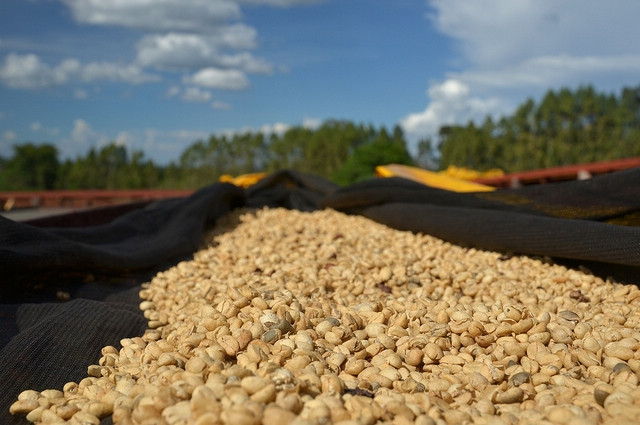
The coffee network recommends that Costa Rica's Tara Pearl Diamond Villa wash SHB Kaddura boutique coffee beans.
Costa Rican coffee plants were imported from Cuba in 1779 and exported for the first time in 1820. There are now about 32000 coffee farmers, with an average of less than 10000 yuan per farmer. Costa Rica has a population of 410 million (2006), an active coffee planting area of 82500 square meters, an annual output of 1.7 million bags (60kgs per bag), and an annual consumption of 38 million bags in China.
Coffee producing area Coffee introduction to C ô te d'Ivoire
In terms of quantity, it is one of the largest producers in the world. C ô te d'Ivoire te dlvoire has never produced the best quality coffee, and it rarely comes from Arabian coffee trees. In the early 1980s, it was the world's third-largest coffee producer, with an annual output of 5 million bags. Even today, it is still the fifth largest coffee producer in the world, with an annual output of 4.4 million bags. That's it.